Maintaining a clean and hygienic workplace is essential for productivity, employee wellbeing, and creating a professional impression for clients. Professional office cleaning services help ensure workplaces remain organised, sanitary, and welcoming throughout the workweek.
Many businesses rely on experienced providers such as CMS Australia to maintain high standards of cleanliness through structured cleaning routines and detailed checklists. A well-planned office cleaning checklist ensures every area of the workplace receives proper attention and nothing is overlooked.
In this guide, we’ll explain what is typically included in an office cleaning services checklist, the areas that are usually covered, and why professional office cleaning is important for modern businesses.
Why an Office Cleaning Checklist Is Important
Professional cleaning companies use detailed checklists to maintain consistency and quality. Without a structured checklist, essential tasks may be missed, particularly in busy commercial environments.
A clear checklist helps cleaning teams:
- Maintain consistent cleaning standards
- Ensure high-touch surfaces are properly sanitised
- Improve workplace hygiene and safety
- Reduce the spread of germs and illness
- Create a positive and professional environment
For businesses, this means employees can focus on their work while professional cleaners handle the upkeep of the workspace.
Typical Office Cleaning Services Checklist
While every workplace has different requirements, most professional cleaning companies follow a checklist covering the main areas of an office.
Below is an overview of what is typically included in an office cleaning service.
1. Reception and Lobby Areas
The reception area is often the first impression visitors have of your business, so keeping it clean and presentable is essential.
Typical cleaning tasks include:
- Dusting reception desks and counters
- Wiping and disinfecting high-touch surfaces
- Vacuuming carpets and rugs
- Mopping hard floors
- Cleaning glass doors and entryways
- Removing fingerprints from surfaces
- Emptying bins and replacing liners
A well-maintained reception area immediately reflects professionalism and attention to detail.
2. Workstations and Office Desks
Employee work areas are some of the most frequently used parts of the office. These areas can quickly accumulate dust, dirt, and germs.
Common workstation cleaning tasks include:
- Dusting desks, shelves, and cabinets
- Wiping surfaces and partitions
- Sanitising frequently touched items such as phones and keyboards
- Cleaning office chairs
- Vacuuming around desks and walkways
- Emptying personal bins
Regular workstation cleaning helps create a healthier and more comfortable working environment for employees.
3. Meeting Rooms and Conference Areas
Meeting rooms are often used for presentations, client discussions, and team collaboration. Keeping these spaces clean is important for maintaining a professional business environment.
Office cleaning checklists usually include:
- Wiping conference tables and chairs
- Dusting presentation equipment
- Cleaning whiteboards or glass boards
- Vacuuming carpets
- Mopping hard floors
- Cleaning light switches and door handles
- Emptying rubbish bins
Clean meeting rooms create a professional and welcoming environment for both staff and visitors.
4. Office Kitchens and Break Rooms
Kitchens and break areas are shared spaces that require regular cleaning to prevent bacteria build-up and unpleasant odours.
Typical cleaning tasks include:
- Cleaning countertops and tables
- Wiping cabinets and appliances
- Cleaning sinks and taps
- Sanitising microwave handles and fridge doors
- Emptying bins and replacing liners
- Mopping floors
- Removing food spills or stains
Maintaining a hygienic break area helps promote employee health and comfort during work hours.
5. Restrooms and Washrooms
Restrooms are one of the most critical areas for hygiene in any workplace. Professional cleaners follow strict sanitation procedures to maintain cleanliness and safety.
A restroom cleaning checklist usually includes:
- Cleaning and disinfecting toilets and urinals
- Sanitising sinks and countertops
- Cleaning mirrors and glass surfaces
- Refilling soap dispensers and paper towels
- Emptying sanitary bins
- Mopping floors with disinfectant
- Cleaning door handles and partitions
Thorough restroom cleaning helps reduce bacteria and ensures a safe workplace environment.
6. Floors and Carpets
Floors collect dust, debris, and dirt throughout the day, particularly in high-traffic areas.
Professional office cleaning services typically include:
- Vacuuming carpets and rugs
- Sweeping hard floors
- Mopping tile or vinyl flooring
- Spot cleaning stains
- Removing dirt from entryways
- Cleaning floor edges and corners
Some cleaning providers also offer deep carpet cleaning or floor polishing as additional services.
7. High-Touch Surface Disinfection
High-touch surfaces are key areas where germs can spread. Professional cleaners prioritise disinfecting these surfaces regularly.
Examples include:
- Door handles
- Light switches
- Lift buttons
- Handrails
- Shared office equipment
- Phones and keyboards
- Printer and copier buttons
Proper disinfection helps reduce workplace illness and improves employee wellbeing.
8. Waste Removal and Recycling
Waste management is another important part of office cleaning.
Cleaning teams typically handle:
- Emptying rubbish bins
- Replacing bin liners
- Removing recyclable materials
- Collecting waste from kitchen and common areas
Proper waste removal keeps the office tidy and helps prevent unpleasant odours.
Additional Office Cleaning Services
In addition to routine cleaning, many professional cleaning companies also offer specialised services depending on business needs.
Examples may include:
- Carpet steam cleaning
- Window cleaning
- Floor stripping and sealing
- High-pressure cleaning
- Deep sanitation services
- Upholstery cleaning
Professional providers such as CMS Australia often customise cleaning plans based on the size, layout, and industry requirements of each workplace.
How Often Should Offices Be Cleaned?
The ideal cleaning frequency depends on the size and usage of the office.
Common cleaning schedules include:
Daily Cleaning
Recommended for busy offices with high foot traffic.
Weekly Cleaning
Suitable for smaller offices with fewer employees.
After-Hours Cleaning
Many businesses prefer cleaning outside working hours to minimise disruption to staff.
A professional cleaning provider can recommend the most suitable schedule for your business.
Benefits of Hiring Professional Office Cleaners
While some businesses attempt to manage cleaning internally, hiring professional cleaners offers several advantages.
Improved Workplace Hygiene
Professional cleaning helps reduce bacteria and viruses in shared office spaces.
Increased Employee Productivity
Employees tend to perform better in clean and organised environments.
Better Business Image
A clean office creates a positive impression for clients and visitors.
Consistent Cleaning Standards
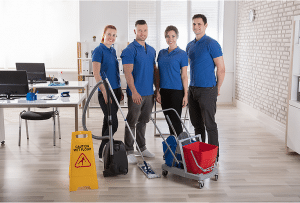
Professional cleaning teams follow structured checklists to deliver reliable results.
Final Thoughts
A well-maintained office environment plays an important role in employee health, productivity, and overall professionalism. Using a structured office cleaning checklist ensures every workspace, meeting room, kitchen, and restroom receives the attention it requires.
Professional cleaning services remove the stress of maintaining workplace hygiene by delivering reliable, consistent, and high-quality cleaning solutions.
If your business wants to maintain a clean and professional workplace, partnering with experienced providers such as CMS Australia can help ensure your office remains spotless and welcoming every day.
Frequently Asked Questions About Office Cleaning Services
1. What is included in a standard office cleaning service?
A standard office cleaning service typically includes dusting desks and surfaces, vacuuming carpets, mopping floors, cleaning restrooms, sanitising high-touch areas, emptying rubbish bins, and cleaning shared spaces such as kitchens and meeting rooms. Cleaning providers may customise services depending on the size and needs of the workplace.
2. How often should an office be professionally cleaned?
The frequency of office cleaning depends on the size of the workplace and the number of employees. Busy offices with high foot traffic usually require daily cleaning, while smaller workplaces may only need weekly or scheduled cleaning services. Many businesses also choose after-hours cleaning to avoid disruptions during working hours.
3. Why is professional office cleaning important?
Professional office cleaning helps maintain a hygienic workplace, reduces the spread of germs, and creates a healthier environment for employees. A clean office also improves staff productivity and presents a professional image to clients and visitors.
4. Do office cleaning services include disinfecting high-touch surfaces?
Yes. Professional office cleaners typically prioritise disinfecting high-touch surfaces such as door handles, light switches, desks, phones, keyboards, and shared office equipment. This helps reduce bacteria and viruses in the workplace.
5. Can office cleaning services be customised for different businesses?
Yes. Most professional cleaning companies customise their services based on the office layout, industry requirements, and cleaning frequency. Businesses can request additional services such as carpet steam cleaning, window cleaning, or deep sanitisation.
6. What areas are usually covered in office cleaning services?
Office cleaning services commonly cover reception areas, workstations, meeting rooms, kitchens, restrooms, hallways, and shared spaces. Cleaning teams also maintain floors, remove waste, and disinfect frequently touched surfaces.
7. What are the benefits of hiring professional office cleaners?
Hiring professional cleaners ensures consistent cleaning standards, improves workplace hygiene, saves time for employees, and helps maintain a professional business environment for staff and visitors.